We went around the east side of the island and watched some local fishermen land in the “cove”. They gunned their engine, roared into a narrow channel between two flat topped rocks, slammed into a steep gravel beach, raised the outboard engine to protect the propeller, slid up the berm, teetered at the top, and tipped over to level. High and dry and above the high tide line. A hand powered winch pulled the boat farther up across the top of the berm. Ed Resnic in his book “We Survived Yesterday” had described landing south of the village so we continued. The beaches there were small, steep and had rough waves breaking on them. Only one beach had a semi-protected channel leading to it and Konstantin feared it would not be navigable at low tide in the morning.
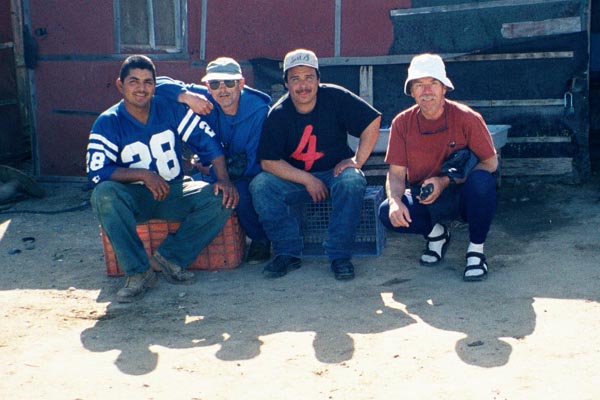
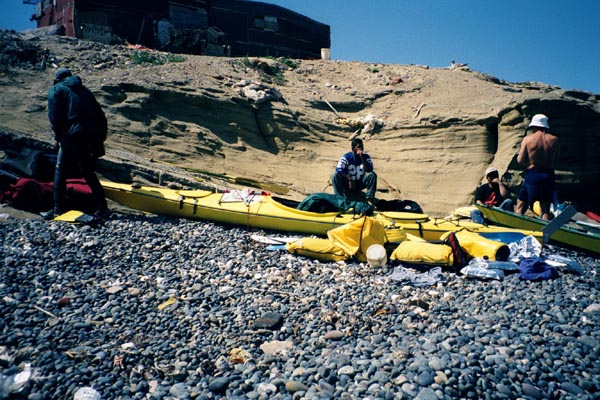
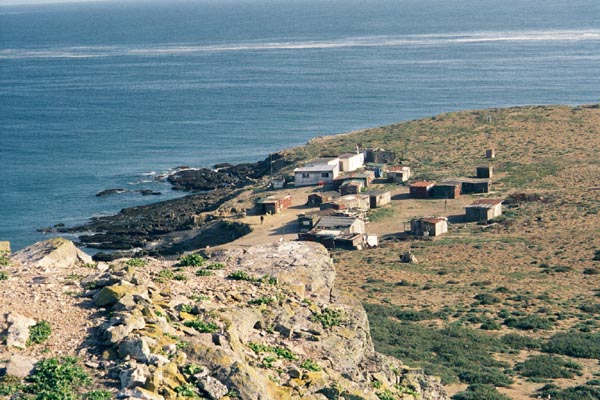
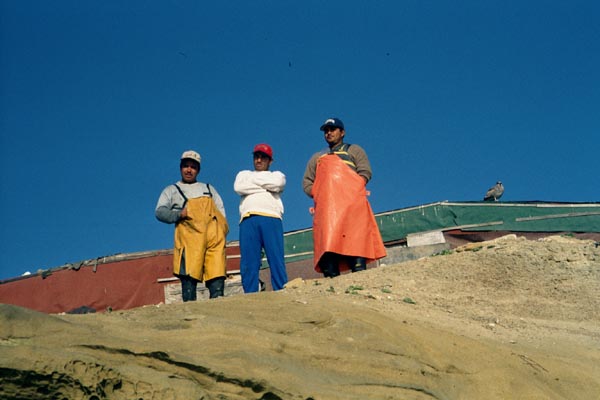
We went back north of the village to look at some other beaches we had passed. One seemed approachable, so the guy in the plastic boat was “volunteered” to try a landing again. It was actually a pretty easy landing, but the beach was steep and slippery. I could not tow my loaded boat up it and the boat kept slipping back into the water when unattended. I started to pull stuff out of my boat to throw it up on top of the berm, but Konstantin signaled me to come back out to sea. We returned to the fish camp where the two fishermen we had seen before guided us to a landing and helped pull our boats out of the water. They invited us for coffee (I declined) and dinner, which was very good. A small fried lobster tail (fishing was terrible today) was divided between the guests.
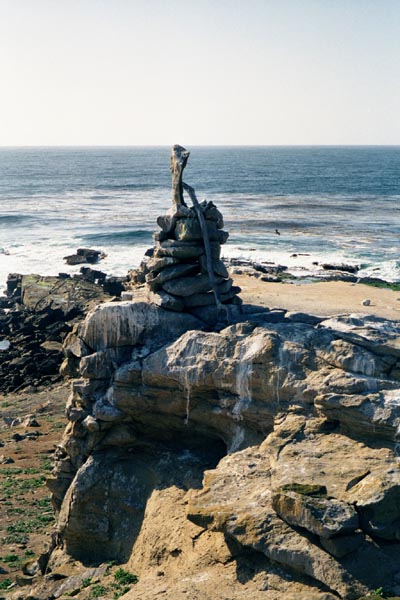
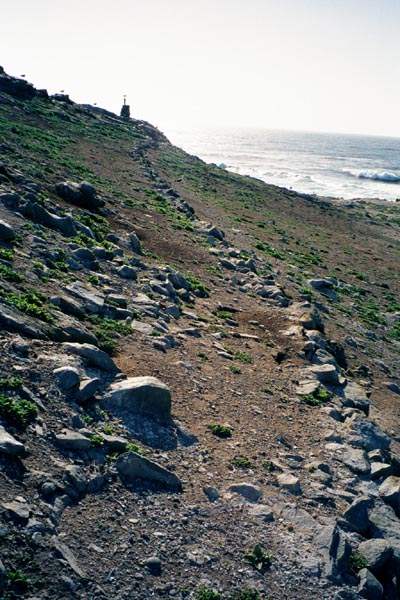
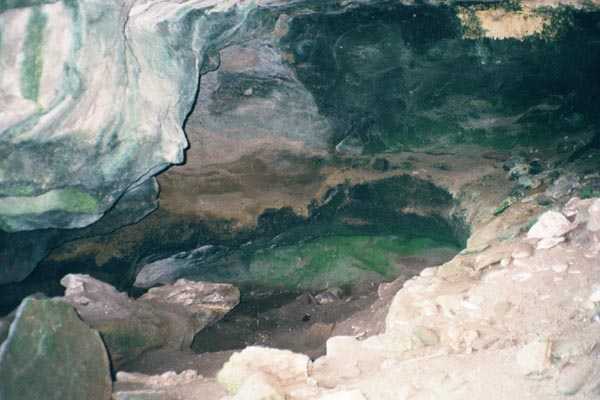
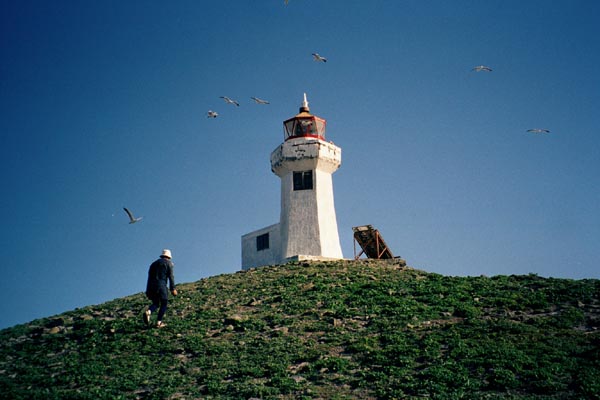
We went for a walk to the ends of the island. Everywhere we went we sank into holes in the sandy soil. We found out later that these are dug by a burrowing bird that spends all day out at sea and comes back to remote islands to sleep underground at night. A statue that I had seen while approaching the island turned out to be a pile of rocks and driftwood. A stone lined trail, the only one of it’s kind on the island, runs from the “statue” to small cave. Farther around the island we stopped at the lighthouse, a solar powered light that stores up sunlight by day and spends it flashing at night.
I considered camping at the top of the berm near my boat but the promise of an extra high tide convinced me to follow the other guys. We “camped” in the middle of the village in the wind shadow of a shack. Only one of the shacks were occupied during the evening. The two guys who cooked us dinner were trying out living on the island all year instead of only during the height of the fishing season like everyone else. Two other guys came out during the day but returned to the mainland every evening.